



Contact Us

Fertility Tests Hormone  
Infertility Treatment
PCOS
 
Infertility Overview

Infertility is a common condition occurring in about 15% of couples at some time in their reproductive lives. Public awareness of infertility has increased dramatically over the last ten years and many women now consult their OB/GYN’s earlier in the course of their infertility.

If you are under 35 years of age, have regular intercourse, and have not conceived after one year, you and your partner meet the definition of “infertility”. If you are 35 or older, this time frame is shortened to six months. Women in either of these categories should seek infertility specialist care, especially those in their thirties where fertility can decline very rapidly.

Infertility is not just a “female problem” as approximately 47% of infertile couples have a male infertility component. It is critically important that your partner have a semen analysis as you begin any infertility treatment. No treatment can be effective without enough healthy sperm.

Female age is an extremely important determinant of fertility treatment outcome. You are born with all the eggs you will ever have and a portion are ovulated each month. Women have over 450,000 eggs at birth, with many good quality eggs that are ovulated early in life. However as women age, the quality and quantity of their remaining eggs begins to decrease, ultimately leading to the menopause.

One term used to denote “diminished egg quality” is reduced ovarian reserve. Often the first sign of impending menopause is an elevated day three FSH level measurement. This decline in egg quality occurs at different times in individual women and can occur in the early thirties. This is why it is so important for women in their thirties to seek care from a reproductive endocrinologist, infertility as soon as possible. Many men can father children until very late in their adult lives, although there are changes in semen and in the male reproductive tract with advanced age.

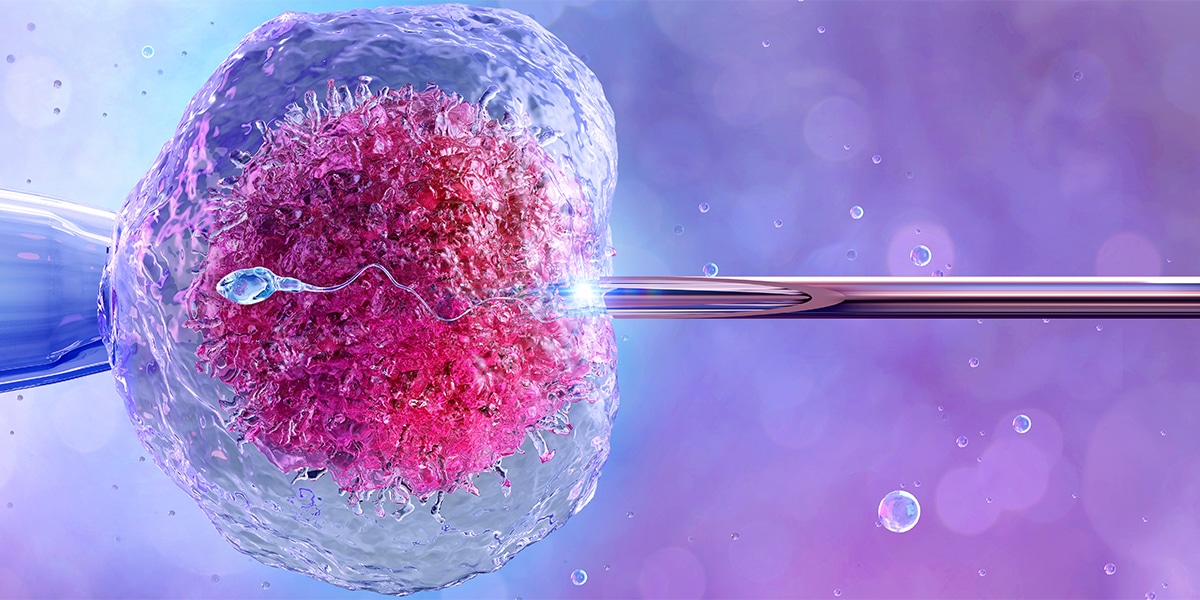
Great strides have been made in the treatment of male infertility. There are few medical (drug) options for males; however, assisted reproductive technologies such as intracytoplasmic sperm injection (ICSI) and in in vitro fertilization (IVF) are extremely effective treatments. Men with as few as one sperm, which may be in the ejaculate or in the reproductive tract, can father a child.

Cultural morays and values have evolved over the last thirty years and many couples delay childbearing until their careers are established. Career women often first attempt to become pregnant in their thirties and are sometimes faced with the specter of reduced fertility. Unfortunately, the biological clock, which dictates the greatest fertility from puberty to the late twenties, does not match the sociological clock. If you cannot use your own eggs because of diminished ovarian reserve, donor eggs can be used. This is discussed under the Alabama donor egg program section of our site.

Statistics indicate the over 80% of couples who seek care from a reproductive specialist, infertility specialist will achieve pregnancy. Most of these pregnancies occur with medical treatment and intrauterine insemination (IUI). The majority of patients will not require advanced reproductive technologies including IVF.

You should choose a Board Certified Reproductive Endocrinologist Infertility Specialist. All of the University of Alabama infertility specialists are Board Certified in Reproductive Endocrinology and Infertility. Our physicians underwent years of advanced training in diagnosing and treating infertility including advanced microsurgical techniques.

Treatment by our Alabama infertility specialists is often less expensive because the appropriate therapies are employed early in treatment. Specialists tend to advance patients through treatment protocols rapidly and do not waste months on ineffective therapies, such as Clomid. Depending on your insurance coverage, you may be able to maximize your benefits by seeing a specialist.

The University of Alabama infertility specialists are devoted to helping couples achieve pregnancy as quickly and cost effectively as possible.


Make an Appointment

Please call 205-801-8200 to make an appointment.


Site Index

UAB Division of Reproductive Endocrinology & Infertility
The Kirklin Clinic
2000 6th Avenue South
Birmingham, Alabama 35233
Phone: (205) 801-8200
Copyright© 2011


Web Site by Webinnovations.org